
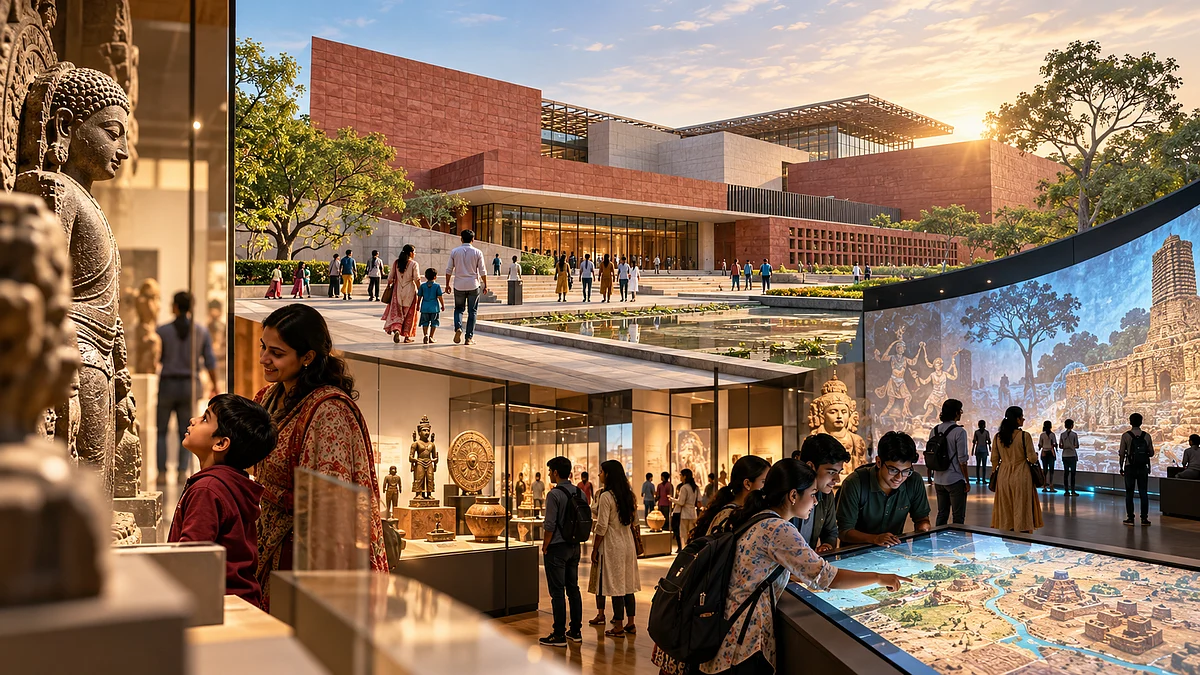
Not too long ago, the word “museum” in India conjured a fairly predictable image: imposing colonial buildings, long galleries, glass cases, handwritten labels, and the occasional school group being shepherded from one room to another. Today, that image is changing.
Earlier this week, Bihar Museum in Patna was ranked ninth in Worth a Journey’s list of the World’s 100 Best Museums for 2026, making it the highest-ranked museum in Asia and the only Indian institution on the list. The recognition places a museum rooted in the history of one Indian state alongside some of the world’s best-known cultural institutions, a significant achievement for India’s museum landscape.
Today, across India, museums are being imagined less as repositories of objects and more as experiences. Immersive galleries, interactive exhibits, digital projections, children’s museums, specialised collections and spaces where visitors are encouraged to touch, play, listen and participate are becoming increasingly common. Museums are competing not just with one another, but also with cinema, the mall, the theme park and the phone in our hands.
As India invests in new cultural spaces and immersive experiences, what are we actually building? Museums that preserve and interpret history, tourist destinations that create memorable experiences, or institutions that can do both?
Beyond the Museum Building
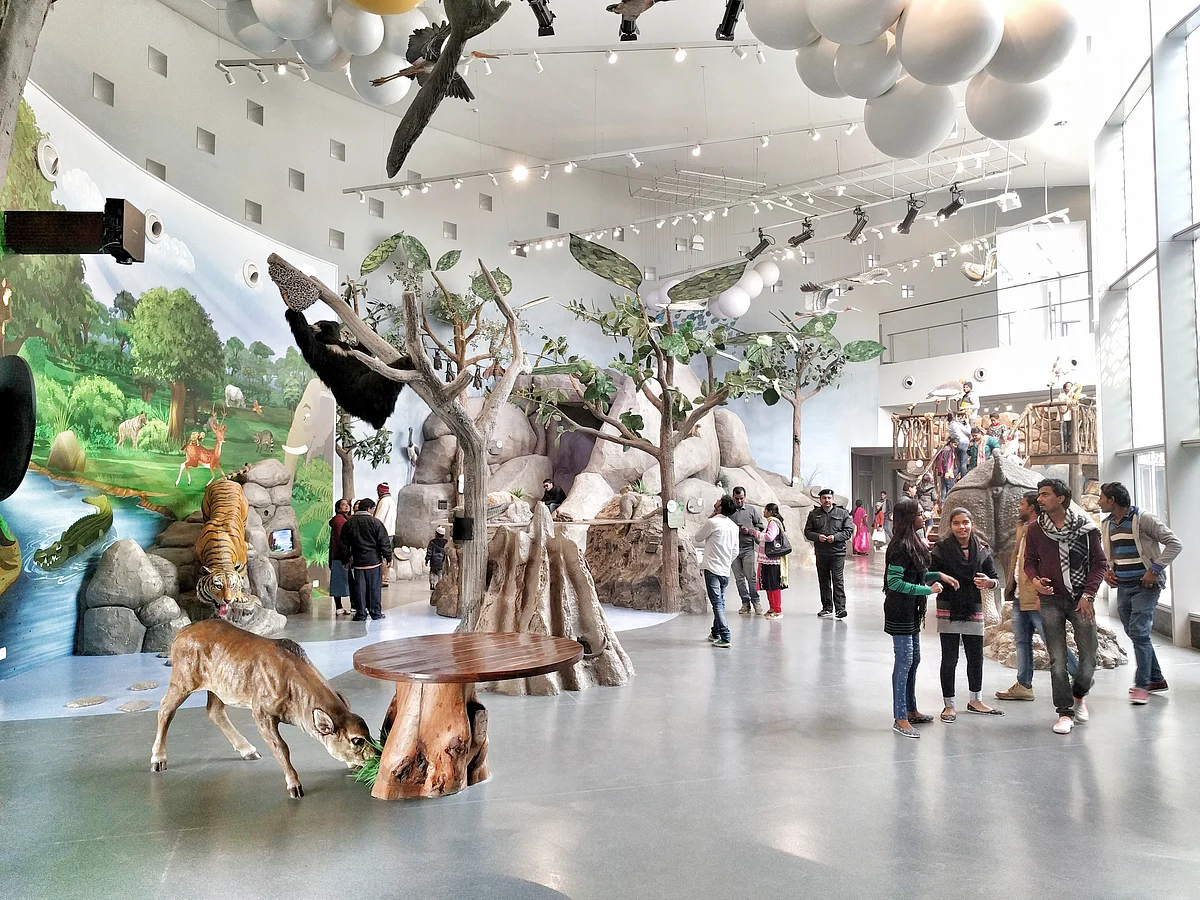
The distinction matters. A striking building, an interactive installation or an unusual setting may attract visitors, but a museum’s lasting value depends on what it helps them understand and what they carry with them after they leave.
Government figures offer a glimpse of the expansion. As of March 2026, 61 museums were functioning under the Ministry of Culture, according to a PIB release. Over the preceding five financial years, the Ministry’s Museum Grant Scheme supported establishing 21 new museums and developing 23 existing ones, as well as one museum-collection digitisation project and one Virtual Experiential Museum. The figures cover museums under the Ministry and projects supported by the scheme, not the entire museum landscape in India.
But numbers alone cannot establish whether India is experiencing a genuine museum boom or simply building more museums.
Rajesh Prasad, Secretary of the Museums Association of India (MAI) and a museologist with decades of experience in museum development, says, “There has been a significant increase in museum-building over the past 15 years, partly driven by renewed interest in museum culture. However, revenue, collections, conservation, research, staffing, and management need as much attention as new infrastructure.”
Sarika Shetty, Partner at SJK Architects, whose projects include the Samrat Samprati Museum of Jain Heritage in Koba, Gujarat, and the Sister Nivedita Heritage Museum & Knowledge Centre in Kolkata, sees a parallel transformation in public engagement with art and culture. “India is witnessing a welcome wave of museum-building, supported by government initiatives, institutional investment, and private philanthropy,” she says.
According to Aditya Arya, photographer and founder of Museo Camera Centre for the Photographic Arts in Gurugram, India is seeing both an expansion in museum-building and a growing museum culture. “We are seeing both, but the distinction matters. New buildings and ambitious projects are visible signs of momentum; a genuine museum boom is measured by what happens inside them: whether they care for collections, produce knowledge, engage audiences and remain active over time.”
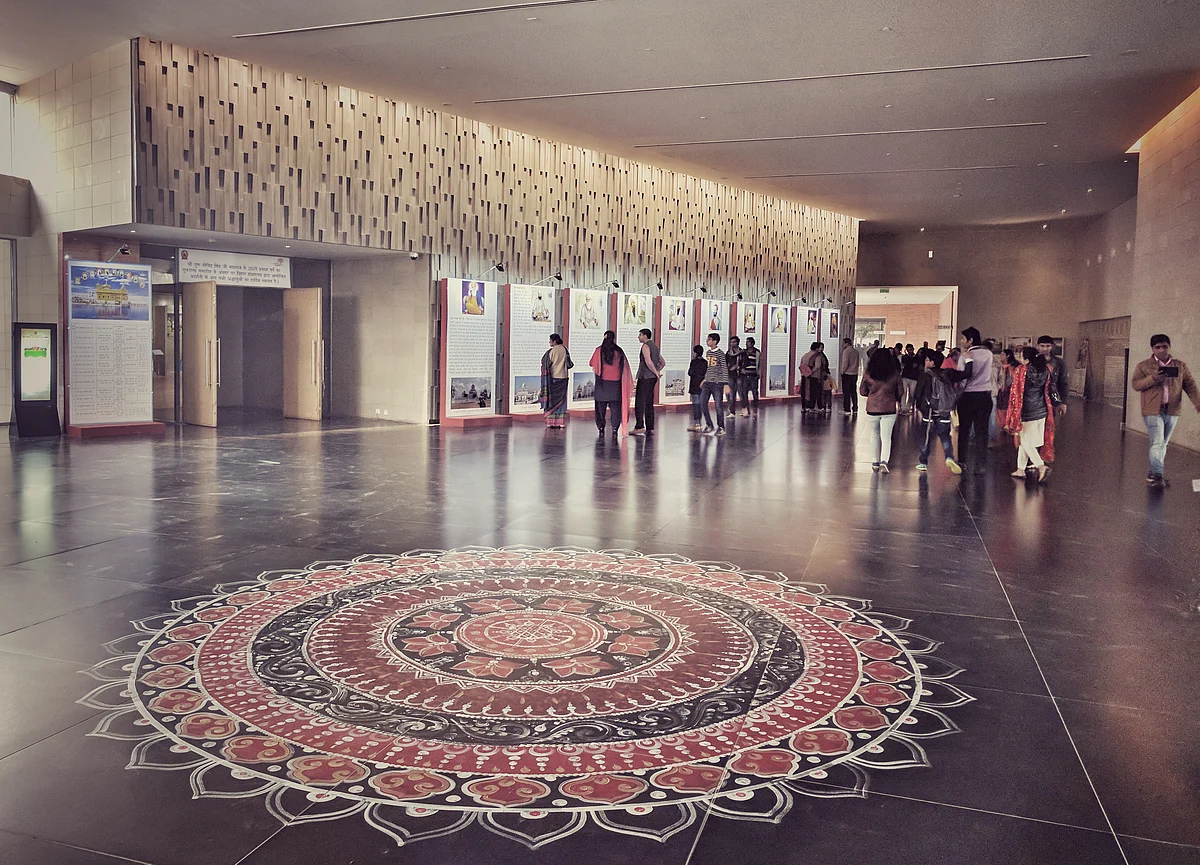
However, he agrees that no single driver explains the boom. “Tourism and the experience economy have made museums more visible, while education and cultural preservation provide deeper purpose. Public investment, private philanthropy, and growing interest in India’s histories and identities have also contributed,” says Arya, who conceived and curated Museo Camera around his private collection of thousands of cameras and photographic ephemera dating back to the 19th century. Developed in collaboration with the Government of Haryana, the institution demonstrates how a personal collection can become a public cultural resource.
A history student with a keen interest in museology and a filmmaker, Eshan Sharma offers a note of caution. “The real test is whether these institutions encourage inquiry, bring marginalised histories into the mainstream and ensure public access, or whether they prioritise spectacle and narratives of national pride,” he says.
The question, then, is not whether India should build more museums, but what these institutions are meant to accomplish. Their success will depend on whether they become places of discovery and learning or remain impressive structures whose collections and stories have yet to find an audience.
Designing More Than an Experience
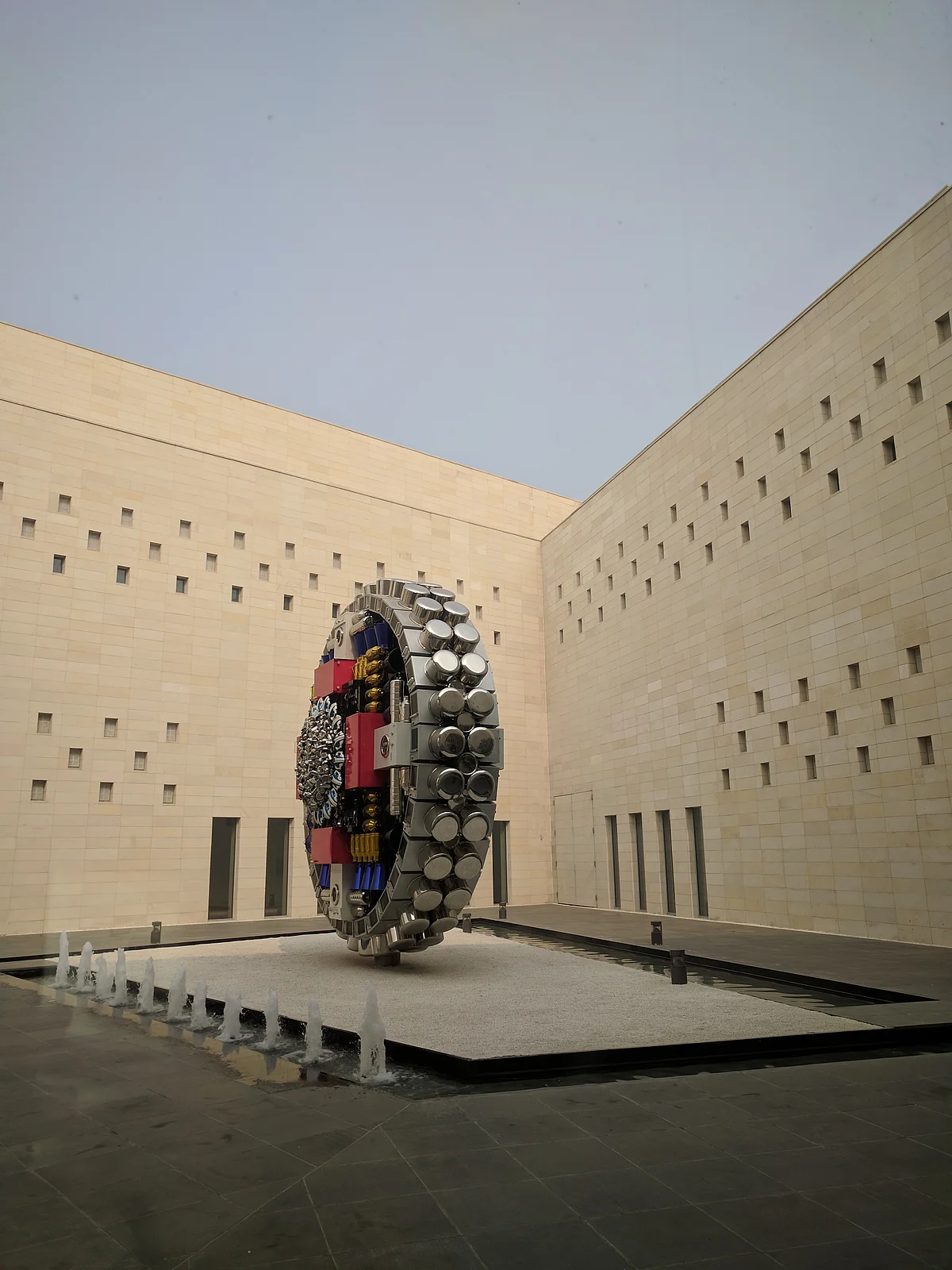
If the building is the first invitation, the experience inside determines whether visitors engage with its collections and whether they return.
Shetty believes that to build a culture of museum-hopping, museums must become places people genuinely want to visit, explore and revisit. “The boom in museum-building and the growth of public interest in art and culture need not be competing narratives. They can, and must, reinforce one another. The real museum boom will begin when the desire to discover our past becomes as compelling as the desire to build spaces that house it,” she says.
MAI, established in 1944 in Bombay, supports museum mapping, publications, journals, conferences, training, conservation and professional exchange. Prasad, currently Assistant Director at the National Judicial Museum & Archives and formerly Director of the Allahabad Museum, also helped develop the Gargoti Museum in Sinnar, near Nashik, Maharashtra. The museum houses a collection of minerals and gemstones that K.C. Pandey assembled over four decades. His experience reinforces the importance of institutional purpose. “Museums and related areas need more attention, policies and attempts to revive and flourish to serve future generations,” he says.
Shetty argues that architecture cannot work in isolation from curation, interpretation and education. A gallery’s spatial layout, lighting, colours, textures, display systems and audiovisual installations should communicate the significance of its collections rather than merely make them visually appealing.
She explains how interpretive planners must be involved from the earliest stages of museum design, working alongside curators, conservators and exhibition designers to establish the overarching narrative and determine how individual objects and galleries contribute to it. “We have many extraordinary artefacts, but their significance often gets lost when they are presented without a larger narrative that connects them to one another and to the histories they represent,” she says.
Technology can help address that challenge, but only when it serves the museum’s purpose. “Digital tools and immersive installations can attract attention, improve interpretation, and make collections accessible to wider audiences,” says Prasad, who cautions against overreliance on digital displays, arguing that “technology must supplement, not replace, original objects, historical evidence, or a coherent curatorial narrative.”
Arya similarly stresses that audience engagement requires more than installing screens or immersive technology. “At Museo Camera, we make the history and practice of photography accessible through collections, interpretation, exhibitions, and participatory programmes. Audience-centred practice begins with listening to visitors, providing inclusive access and creating opportunities to engage. Technology is useful when it serves those aims,” he says.
For younger audiences, particularly Gen Z, contemporary storytelling and participatory experiences can help sustain engagement. Prasad argues that museums must be interactive, inclusive, accessible, entertaining and educational, while recognising a wider range of cultural expressions, including handicrafts and handlooms as art.
Prasad insists that accessibility must extend beyond digital convenience. “Museums must consider physical access, multilingual interpretation, and provisions for disabled and neurodivergent visitors from the outset, rather than treating them as optional additions,” he emphasises.
Ultimately, a museum must do more than display its collections. It should encourage visitors to ask questions, discover unfamiliar histories and see familiar ones from different perspectives.
The Business of Staying Relevant
Building a museum is only the beginning. Keeping it alive requires a different set of commitments. “Sustainability depends on staff, finance, collections, maintenance, vision and institutional intent,” says Prasad. He points towards a persistent gap between expanding museum infrastructure and the resources needed to operate these institutions effectively. Government museums, in particular, face vacancies caused by retirements and years of limited recruitment. Recruitment rules may also fail to align with available museology qualifications, leaving trained professionals unable to find appropriate positions even as institutions need their expertise. “Universities churn out museologists with degrees, but the workforce doesn’t absorb them adequately,” Prasad explains, arguing for more flexible hiring policies that allow trained personnel to find opportunities in public and private museums.
The role of museum professionals has also expanded. “Beyond managing collections and exhibitions, they increasingly work in preservation, education, publicity, marketing, visitor management and programming,” says Prasad.
These challenges grow especially important as privately run, independently funded museums assume a larger role in India’s cultural landscape. Sharma acknowledges that “tourism, education, cultural preservation, private investment and the experience economy are contributing to the growth,” but warns that “immersive technology and grand displays do not automatically translate into scholarly depth. Museums also need trained professionals and sustained investment in research and conservation.”
Shetty welcomes opening private collections to the public, calling it an opportunity to bring treasures once accessible to a privileged few into a wider cultural conversation. “Private institutions can complement government museums, introduce distinctive curatorial approaches and experiment with subjects or forms of interpretation that may receive less attention elsewhere,” she adds.
Arya’s experience at Museo Camera illustrates this potential. But he concurs that “independent museums can face uncertain funding, dependence on a small number of donors or founders, difficulties retaining skilled staff, and inadequate long-term planning for collections and conservation.”
Shetty emphasises “the greatest vulnerability of any museum, whether privately funded, independently run or government-managed—is the lack of sustained stewardship.”
A permanent collection may attract considerable interest in its early years, but maintaining that interest requires continued programming. Temporary exhibitions, seminars, workshops, lectures and conversations can bring audiences back while expanding a museum’s intellectual and cultural life.
“This calls for committed leadership,” says Shetty, adding, “A good museum director does much more than manage a collection or an institution. They draw connections between objects, layer stories, juxtapose ideas and curate parallel narratives that deepen curiosity and enhance knowledge. They make a collection speak differently to different audiences, allowing visitors to discover something new with every encounter.”
She notes how for privately funded museums, long-term success may depend on sustained philanthropic commitment, institutional independence and the ability to build professional teams beyond an individual founder’s vision. Government-run museums face their own challenges in ensuring leadership continuity, adequate resources, and curatorial autonomy.
The underlying challenge is the same: a museum cannot depend indefinitely on the excitement of its opening, the reputation of its founder or the appeal of its architecture. It must continually renew its relationship with the public.
Beyond Footfall: Measuring Cultural Impact
Visitor numbers are among the most visible indicators of a museum’s popularity. But they reveal relatively little about what visitors learn, how they engage with a collection or whether the institution makes a lasting contribution to public understanding.
Arya says, “Museums should assess who visits, who returns and who remains unreached. They should also examine learning outcomes, programme participation, engagement with schools and communities, accessibility and the quality of institutional partnerships.”
The care and use of collections matter just as much. Cataloguing, conservation, research, loans and new interpretation are important indicators of whether a museum fulfils its responsibilities beyond the visitor-facing experience. “No single number captures impact; a combination of visitor feedback, programme evaluation, and institutional evidence together offer a fuller picture,” Arya adds.
Shetty reaches a similar conclusion from a museum design perspective. “A museum’s cultural and educational value lies in its ability to spark curiosity and encourage continued learning. This depends on how effectively it tells stories and connects people with their heritage,” she adds.
A 27-Year Journey To Tell The Kargil Story: Creator & Showrunner Kushal Srivastava On 'Operation Safed Sagar'Prasad also emphasises that audience engagement must be interactive, inclusive, and educational. “Museums need to make their collections relevant to diverse audiences and recognise a wider range of cultural and educational expressions through research, interpretation, programming and public engagement,” he says.
Sharma argues that the deeper measure is a museum’s ability to foster historical consciousness, encourage inquiry and engage audiences with complexity, rather than simply generate footfall. He also raises questions about the relationship between public and private institutions. “Private museums may continue to grow, while public museums risk falling behind. Whether access will remain free or become increasingly ticketed is an open question. I hope to see stronger investment in curation, public outreach, historical understanding and critical inquiry.”
Sharma’s concerns raise questions that go beyond funding models: who gets to enter a museum, whose histories are represented, and what visitors are encouraged to question. Museums must be accessible to diverse audiences and bring neglected histories into the conversation. Access is not simply about the price of admission; it also means allowing people to see themselves and their histories reflected in the institution.
Measures of success should therefore extend beyond ticket sales and footfall. They should include the knowledge a museum generates, the collections it preserves, the questions it provokes, the communities it engages and the audiences it continues to reach.
The Five-Year Test
What would it take for India’s museum boom to be considered a success five years from now? And could global recognition, such as the recent ranking of Bihar Museum, become a reflection of deeper strengths—not just impressive buildings and visitor numbers?
Sharma argues that museums must invest in better curation, public outreach and critical inquiry. Shetty envisions institutions that make history tangible, culture accessible, and learning experiential. Arya looks for museums that continue to care for their collections, produce knowledge and build meaningful relationships with audiences. Prasad emphasises the need for trained professionals, stronger institutional management and sustained investment in research, conservation and education.
Their perspectives converge on a common principle, aptly captured by Arya: “The test is not how many museums open, but how many become meaningful, well-run cultural institutions.” That is when a boom in museum-building becomes something more enduring: a museum culture.