
Dear Readers,
AI is finding cyber flaws swiftly. But are enterprises quick enough to fix them?
Nikesh Arora, Chairman and CEO of Palo Alto Networks, raises this crucial point. He notes in a LinkedIn post that most organisations, especially the smaller ones, do not have the capacity to patch flaws at the speed needed. Arora advocates virtual patching as an interim measure and calls for a shared vulnerability clearing house and faster development of protective signatures.
As AI agents become capable of handling everyday tasks, here’s a smart ring that promises to bring AI agents to our fingertips.
At a private launch in Bengaluru, Aina unveiled an AI-powered ring that combines a colour display, voice commands, and gesture-based controls. The startup wants its device to become an everyday interface between users and AI agents. But can it offer enough utility to justify its Rs 47,000 price tag?
In other news, the government has cleared 12 proposals worth over Rs 7,500 crore under the Electronics Components Manufacturing Scheme. This round of approvals adds to the momentum behind the scheme, which aims to build a domestic ecosystem for components and reduce India’s dependence on imports.
Meanwhile, MakeMyTrip has acquired a majority stake in Bengaluru-based Quick Ride, a tech-led shared mobility platform. Quick Ride connects people travelling along similar routes, enabling affordable ride pooling for everyday commute.
Lastly, here’s a bit of weekend motivation.
Built despite opposition, legal challenges, and questions over cost, Bihar Museum has marched into the global top 10, ahead of the Met and Louvre. For YourStory’s founder Shradha Sharma, the museum not only brings the region’s history to life, but is also a reminder of what ambition and perseverance can accomplish.
In today’s newsletter:
- Mamaearth parent Honasa’s net profit rises 87%
- Goyal defends Temple amid backlash
Here’s your trivia for today: Which company introduced commercially the first widespread videocassette in 1971?
Note: Starting this week, YS Buzz will land in your inbox Monday through Saturday. On Sundays, you'll continue to receive our Weekly Wrap, bringing together the biggest startup and business stories of the week. Thank you for reading YourStory and being part of our community.
Earnings
Mamaearth parent Honasa’s Q2 net profit rises 87%

Honasa Consumer, the parent company of beauty & personal care brand Mamaearth, registered an 87% year-on-year (YoY) rise in net profit for the second quarter of the current fiscal, while revenue rose 36% driven by strong growth across categories.
According to Honasa Consumer, the second quarter revenue growth is the highest it has recorded since its public listing in November 2023.
Key takeaways
- The company’s net profit in Q2FY27 was Rs 73.24 crore, compared with Rs 39.22 crore in the year-ago period. Revenue was Rs 731.18 crore, compared with Rs 538.06 crore a year ago.
- However, sequentially, profit fell from Rs 90.44 crore in the first quarter. Revenue in the first quarter was Rs 755.94 crore.
- For the six months of the fiscal year, the company reported a revenue of Rs 1,487.13 crore, a YoY growth of 31%. The net profit for the period was Rs 163.69 crore, a YoY rise of 103%.
<Top Funding Deals of the Week>
Startup: GIVA
Amount: $100M
Round: Undisclosed
Startup: EloElo Group
Amount: $80M
Round: Series C
Startup: Clinics On Cloud
Amount: $12.5M
Round: Series A
Wearables
Goyal defends Temple amid backlash
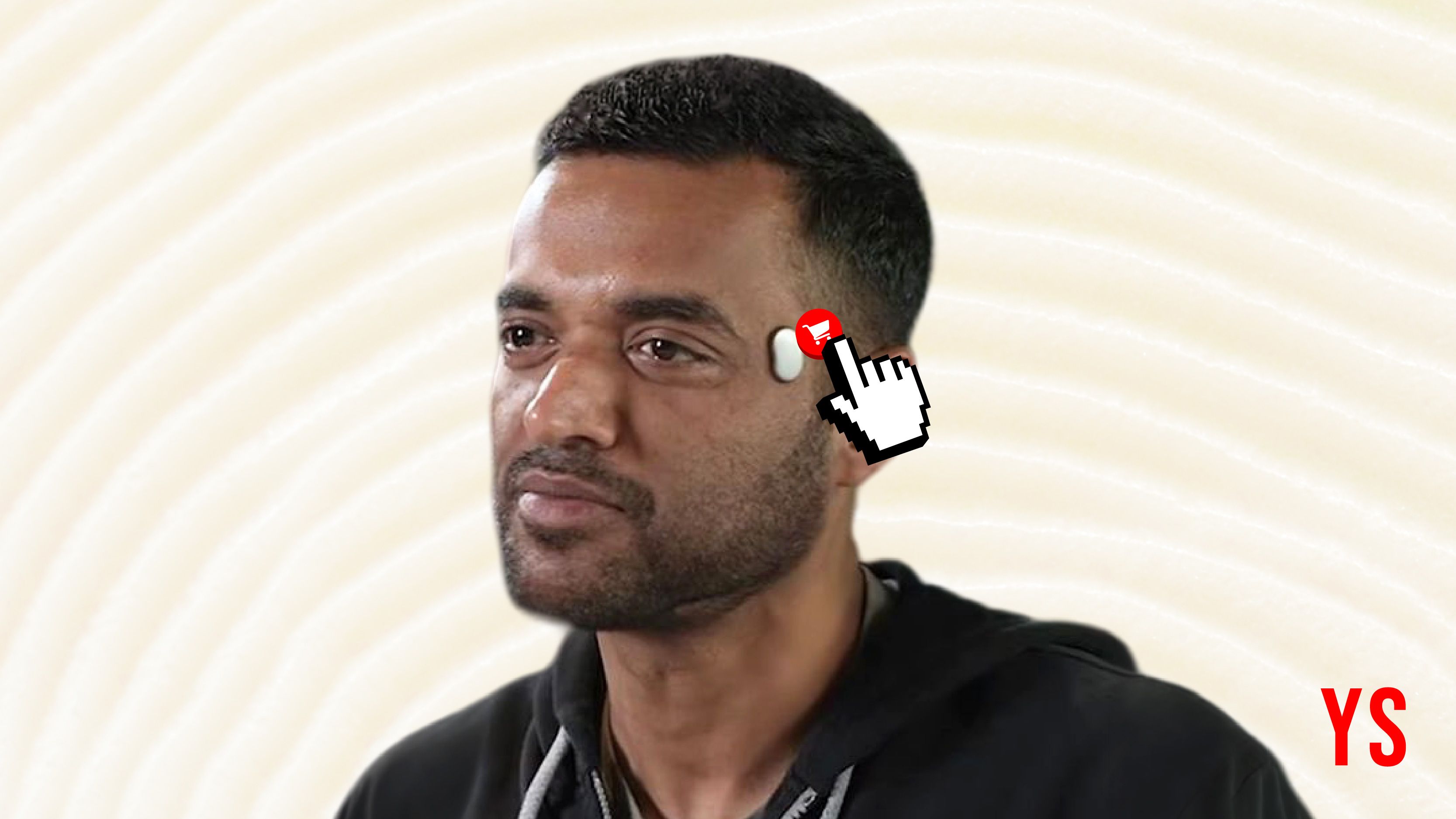
Deepinder Goyal wearing Teample
Deepinder Goyal has posted a series of updates and clarifications on X amid backlash from some Indian doctors who criticised his brain-monitoring wearable Temple. Describing Temple as “an ambitious project”, Goyal gave a detailed explanation on what the team is building. “The team is delusional enough to think we can build this. And we will,” he wrote on Friday.
Earlier, on Thursday, he posted, “We stand by our science and our methods. Each of our claims is easily verifiable by individuals and institutions alike, and you will see a lot of independent studies come up on their own when the device becomes available to use.”
Key takeaways:
- “First and foremost, a business lesson: if Temple were a scam, and any of what we said weren’t true, people would know it in just a few days of using Temple,” Goyal wrote on Thursday.
- He also highlighted that $30 million was invested in building the device, including $20 million of his personal money. Calling Temple his purpose, he said it’s not about the money. “I have enough of it to last for generations. My incentives are fully aligned with getting the science right. I am not staking a reputation earned over 20 years on making a quick buck.”
- However, some doctors were not convinced by Goyal’s response. On X, Dr Rishabh Jain responded saying Goyal had shared financial and personal sacrifices but no scientific evidence. “Stop calling legitimate scientific scrutiny 'rage'. You have responded to questions about medical accuracy with investment figures, return policies, personal reputation, and promises of future studies. None of these constitutes scientific validation.”
News & updates
- First close: Northern Arc Investment Managers, the asset management arm of Northern Arc Capital, has marked the first close of its Northern Arc Diversified Debt Fund with commitments of more than Rs 400 crore from institutions, family offices, ultra-high-net-worth individuals, and high-net-worth individuals.
- Court verdict: A division bench of the Delhi High Court has dismissed an appeal by Unity Bank, upholding the interim protection granted to BharatPe's parent company RIPL (Resilient Innovations Private Limited) under the Shareholders’ Agreement and affirming the order of a single judge.
- Apple’s investments: Alphabet built a stake worth nearly $548 million in longtime partner Qualcomm in the third quarter, giving a boost to the chipmaker’s efforts to expand into data centres as the smartphone market sees one of the worst downturns, Reuters reported. The Google parent has also increased its position in Elon Musk’s SpaceX to about 555 million shares from 551.2 million earlier.
Which company introduced commercially the first widespread videocassette in 1971?
Answer: Sony
We would love to hear from you! To let us know what you liked and disliked about our newsletter, please mail nslfeedback@yourstory.com.
If you don’t already get this newsletter in your inbox, sign up here. For past editions of the YourStory Buzz, you can check our Daily Capsule page here.