
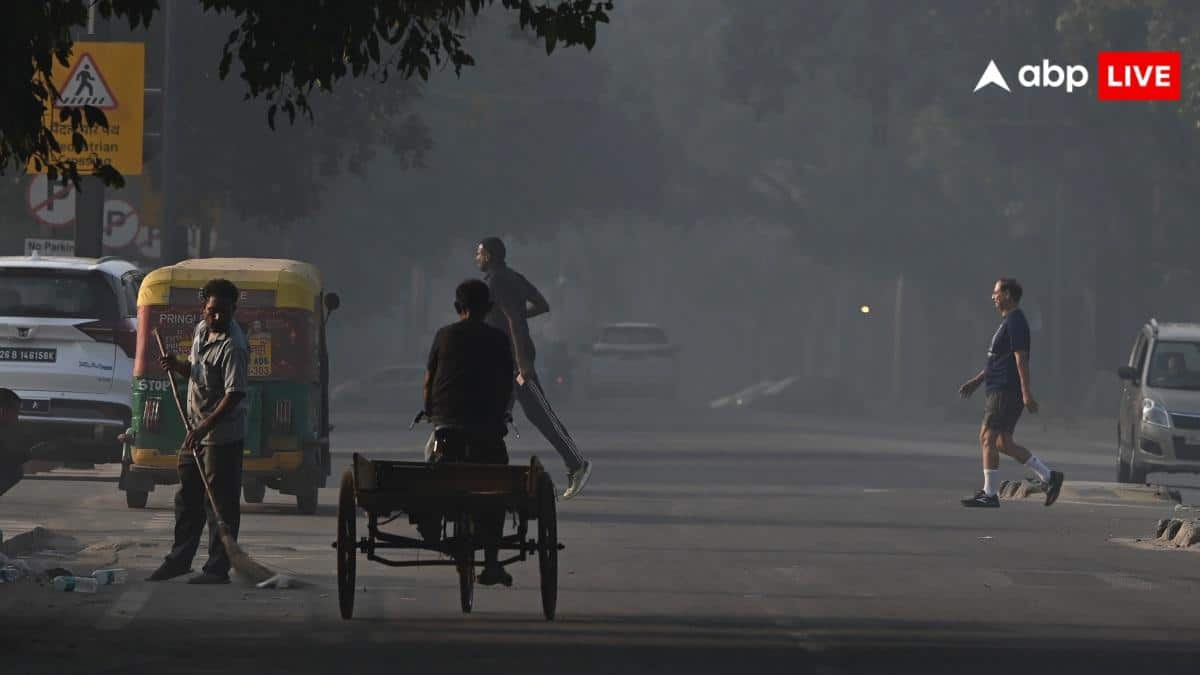
Delhi is often in the spotlight for its deteriorating air quality during winter, but the latest pollution readings suggest that several other cities in North India are facing equally alarming conditions. Rajasthan's Bikaner has emerged as the most polluted city in the country, with its Air Quality Index (AQI) reportedly reaching 1,357 on the morning of November 4.
Punjab's Bathinda ranked second with an AQI of 883, followed by Karnal in Haryana at 850. Cities across Haryana and Uttar Pradesh also featured prominently in the list, highlighting the scale of the pollution problem across the region.
According to real-time air quality figures published by Navbharat Times on November 4, New Delhi stood at the 10th position with an AQI reading of 630.
The national capital is already implementing Stage II of the Graded Response Action Plan (GRAP), under which additional restrictions and measures have been introduced to tackle pollution, including dust and vehicular emissions across Delhi-NCR.
India's 10 Most Polluted Cities On November 4
Bikaner recorded the highest AQI among the cities in the list, with the reading touching 1,357 at 6:45 am, according to the report. Bathinda occupied the second position, while Haryana's Karnal ranked third.
The complete list of cities and their reported AQI levels is as follows:
Rank City State Reported AQI
1 Bikaner Rajasthan 1,357
2 Bathinda Punjab 883
3 Karnal Haryana 850
4 Ghaziabad Uttar Pradesh 840
5 Sonipat Haryana 822
6 Meerut Uttar Pradesh 812
7 Panipat Haryana 804
8 Hapur Uttar Pradesh 786
9 Kaithal Haryana 769
10 New Delhi Delhi 630
The figures show that severe pollution is not confined to Delhi. Bikaner recorded the highest reading, while Bathinda, Karnal, Ghaziabad and Sonipat also reported exceptionally high levels.
These numbers are based on the real-time data cited by Navbharat Times and may vary across monitoring platforms. They should not be interpreted as official Central Pollution Control Board (CPCB) readings or directly mapped to CPCB's standard AQI categories.
Why Is Air Pollution Worsening Across North India?
Air quality across North India often deteriorates after the monsoon, particularly as winter approaches. Pollution from several sources combines with weather conditions that make it difficult for pollutants to disperse.
Stubble burning in Punjab and Haryana following the paddy harvest is one contributor, releasing particulate matter and other pollutants into the atmosphere. However, it is not the only source of the region's pollution.
Vehicular emissions, industrial activity, construction work, road dust and the burning of waste and solid fuels also add to the pollution load.
Winter weather can make the situation worse. Low wind speeds reduce the movement of pollutants, while temperature inversions can prevent polluted air from rising and dispersing, causing harmful particles to remain concentrated closer to the ground.
How Does Air Pollution Affect Health?
Fine particulate matter, particularly PM2.5, is a major health concern because these tiny particles can penetrate deep into the lungs and enter the bloodstream.
Prolonged exposure can aggravate respiratory and cardiovascular diseases. It can also pose health risks to people who do not have any previously diagnosed medical conditions.
With pollution levels rising across several North Indian cities, limiting exposure to polluted outdoor air becomes particularly important, especially for children, older people and those with existing respiratory or heart conditions.