
Photo: Pixabey
Guwahati, Nov 27: Assam is facing a serious anaemia burden, with the State recording some of the highest prevalence rates in the country across multiple age groups, according to a major national nutrition survey conducted by the Indian Council of Medical Research (ICMR).
The findings paint a worrying picture of anaemia cutting across age and gender, with Assam topping the national charts among adult men and women, as well as elderly people.
The State recorded an alarming 72.8 per cent anaemia prevalence among women aged 20-59 years, the highest in the country and significantly above the national average of 54.8 per cent.
The situation is equally concerning among elderly residents. Assam reported the country’s highest prevalence among men aged 60 years and above, at 74 per cent, against the national average of 44.7 per cent. Among women in the same age group, the prevalence stood at an even higher 76.9 per cent, compared to the national average of 55.7 per cent.
The figures also highlight the vulnerability of women in their reproductive years. Among women aged 15-49 years, anaemia prevalence in Assam stood at 71.9 per cent, considerably higher than the national average of 55.9 per cent. Only West Bengal, at 72.4 per cent, reported a higher rate.
The trend extends to younger age groups as well. Among adolescent girls aged 10-19 years, 58.8 per cent were found to be anaemic, against the national average of 46.3 per cent. Among adolescent boys, the prevalence was 37.4 per cent, compared to the national average of 22.8 per cent.
Adult men are also significantly affected. Assam recorded an anaemia prevalence of 46.8 per cent among men aged 20-59 years, the highest in the country and more than double the national average of 22 per cent.
The findings are part of the Survey for Assessment of Markers of Population Health, Activity, Diet, and Anthropometry (SAMPADA), conducted by the ICMR-National Institute of Nutrition (ICMR-NIN) during 2023-25.
Described as one of the largest and most comprehensive nutrition surveys conducted globally, SAMPADA seeks to address critical gaps in India’s nutrition data by generating reliable estimates of dietary intake, anthropometry, anaemia and other nutritional biomarkers.
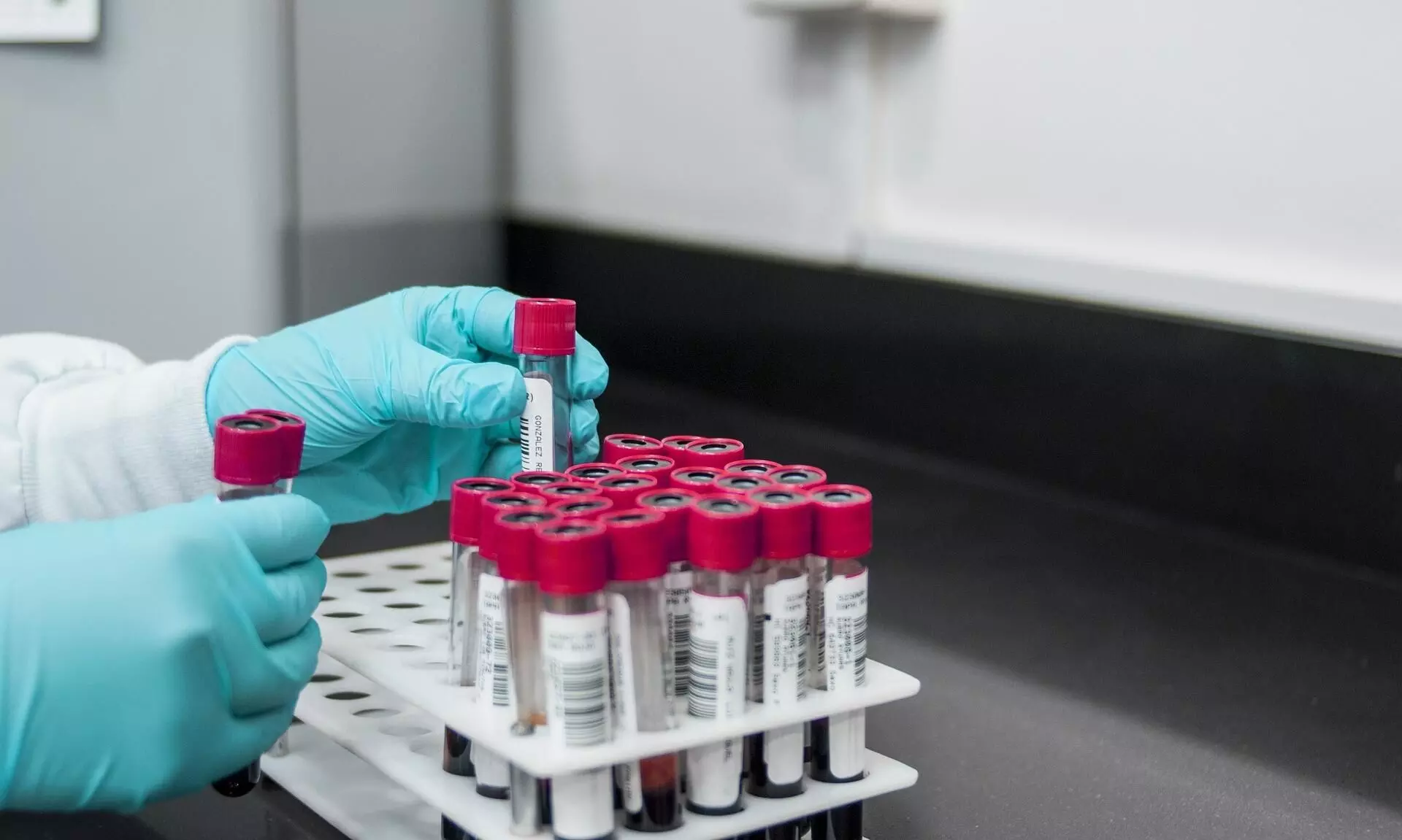
The survey analysed more than 1.7 lakh blood samples, generating life-course data on anaemia and micronutrient deficiencies across all age groups, including the elderly above 60 years.
Implemented through a multi-stage, stratified cluster sampling design, the nationwide exercise covered more than 2 lakh individuals from over 81,000 households across 183 districts in 35 states and Union territories.
The survey provides both national- and State-level estimates, offering a comprehensive picture of India’s nutritional health.