
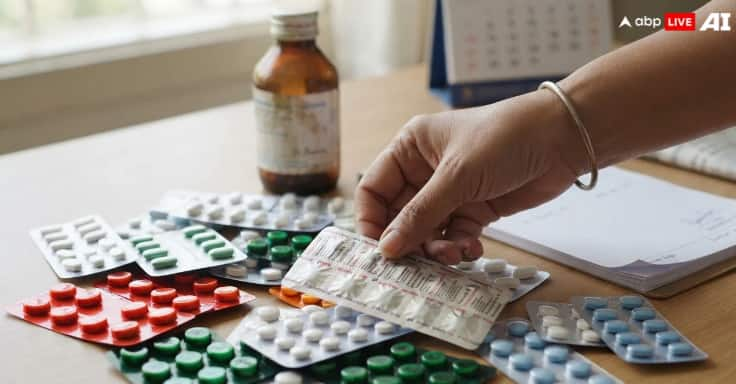
Taking medicines for a headache, fever or common cold without consulting a doctor has become increasingly common in India. However, what many people consider a convenient way to deal with minor health problems could pose serious risks. A study published in the international research journal BMC Public Health has found that approximately 61.1% of Indians practise self-medication without a doctor's prescription or medical advice.
The findings also highlight a concerning trend among young people and students, with self-medication rates reaching 74% in these groups. Madhya Pradesh recorded an even higher prevalence than the national average, with 68% of people reportedly taking medicines without consulting a healthcare professional.
What Does The Study Reveal About Self-Medication In India?
The research highlights the widespread practice of purchasing and consuming medicines without a proper medical consultation. Instead of visiting a doctor, many people rely on their own judgement, previous prescriptions, online information or advice from medical store operators to choose medicines for common health complaints.
The study analysed 145 research papers covering 23 states and more than 76 cities across India. The findings were based on data involving 69,876 individuals, offering a broad overview of medication practices across the country.
ALSO READ | Bisleri Says All 143 Plants Comply With FSSAI Norms Amid Prosecution Over Goa Batch
Self-Medication Increased After The COVID-19 Pandemic
The study also points towards an increase in self-medication following the COVID-19 pandemic. Before the pandemic, the prevalence of self-medication in India stood at approximately 57%. It increased to 61% during the pandemic and further rose to 63% in the post-pandemic period.
Researchers suggest that several factors may have contributed to this trend. Fear of contracting infections in hospitals, delays in getting doctor's appointments and the tendency to dismiss early symptoms as minor health issues may have encouraged people to purchase medicines directly from pharmacies.
The convenience of accessing medicines without a medical consultation has also made self-medication an increasingly common practice.
ALSO READ | Panjab University Scientists Secure Patent For Quantum Dot Technology To Detect Harmful Bacteria In Water
Why Is Taking Medicines Without Medical Advice Dangerous?
Self-medication may appear harmless when dealing with everyday problems such as headaches, fever or cold. However, taking the wrong medicine, using an incorrect dosage or consuming drugs for longer than recommended can lead to serious health complications.
One of the biggest concerns highlighted by researchers is antibiotic resistance. Taking antibiotics without a doctor's prescription or using them incorrectly can contribute to the development of drug-resistant bacteria. This can make infections increasingly difficult to treat and reduce the effectiveness of antibiotics when they are genuinely needed.
Frequent and uncontrolled use of painkillers can also be harmful. These medicines may temporarily relieve pain while delaying the diagnosis of an underlying health condition. Some painkillers can cause stomach ulcers and other complications, particularly when taken excessively or without proper guidance.
Additionally, incorrect dosages and interactions between different medicines can affect vital organs, including the liver and kidneys, and may also cause digestive complications.
What Does The Study Recommend?
The researchers have called for stricter monitoring of the sale of medicines without prescriptions and stronger regulatory measures to discourage inappropriate self-medication.
The study also highlights the need to expand telemedicine services so that people can access medical advice more conveniently. Improving awareness about the risks of taking medicines without professional guidance is another important step towards encouraging safer medication practices.
While consulting a doctor for every minor health complaint may not always seem convenient, choosing medicines without understanding their potential side effects, dosage requirements and interactions can put one's health at risk. Medical advice remains important before starting antibiotics or other prescription medicines.