
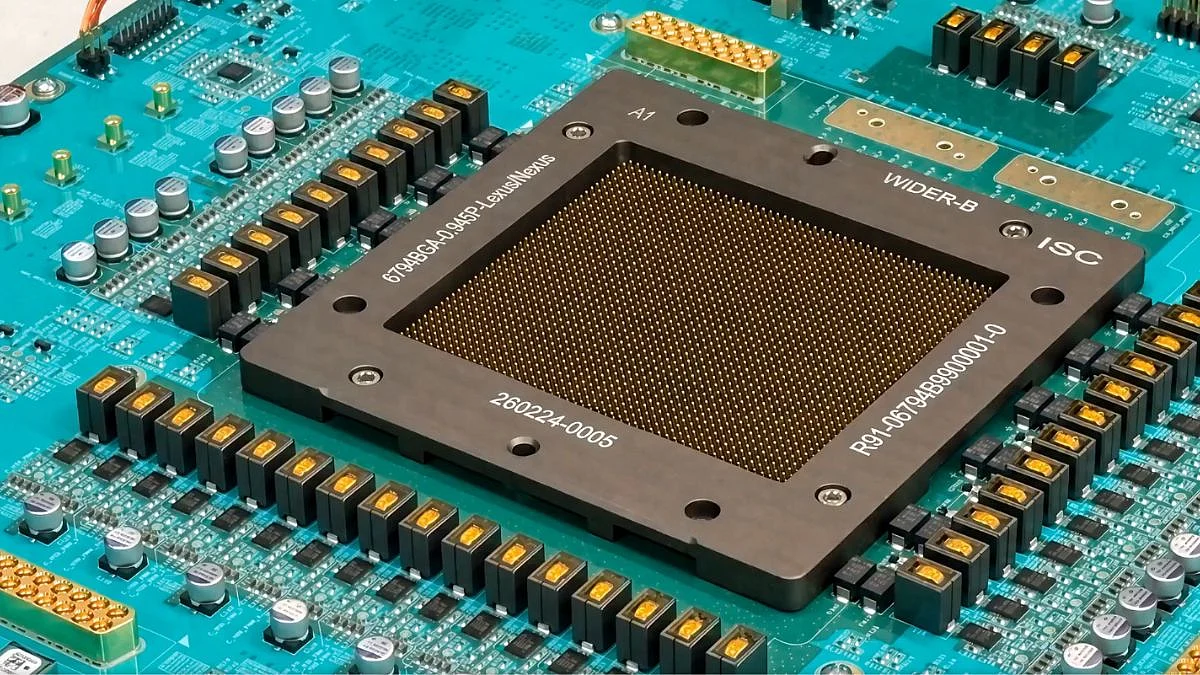
Mumbai: OpenAI has reported significant breakthroughs in semiconductor design through its collaboration with chipmaker AMD, with artificial intelligence models delivering improvements of up to 14% in chip performance, power efficiency and area optimisation.
According to OpenAI, the advances were achieved within five months, accelerating a development process that would typically take around a year. Some AI-generated design modifications have already entered AMD's manufacturing pipeline.
OpenAI To Retire ChatGPT Advanced And Standard Voice Modes From December 11 As Users Shift To New GPT-Live ExperienceAI Accelerates AMD Chip Development
The improvements were achieved on AMD's flagship graphics processing unit (GPU) intellectual property, outperforming existing highly optimised designs. OpenAI said AMD has incorporated several AI-generated modifications into a recent chip design submitted for manufacturing. Additional changes have been integrated into production design files for future generations.
The collaboration also delivered single-digit percentage improvements in performance, power and area across critical components of AMD's upcoming flagship central processing unit (CPU).
How AI Optimises Semiconductor Designs
OpenAI's models modified SystemVerilog RTL code, which defines the behaviour of digital circuits. Using Synopsys electronic design automation tools, engineers verified whether the modified circuits maintained their intended functionality while improving efficiency.
The technology could help semiconductor companies accelerate chip development, reduce design complexity and improve computing performance.
Perplexity Launches 'Teammates', Always-On AI Agents For Work, Taking On OpenAI's Dots And Anthropic's Claude DuetOpenAI's Jalapeño Chip Shows Gains
OpenAI also reported improvements in its custom AI inference chip, Jalapeño. AI-generated modifications reduced standard-cell area by approximately 13% in the vector unit and 10% in the matrix unit. These improvements were validated during silicon testing.
GPT-6.2 Astra Leads Chip Design Tests
In separate evaluations involving 9,881 scored runs across two open-source RISC-V processors, PicoRV32 and Ibex, GPT-6.2 Astra achieved the highest average scores under comparable testing budgets.
Meanwhile, OpenAI is collaborating with Synopsys to develop GPT-Synopsys, a specialised AI model designed to operate chip engineering tools and automate complex semiconductor development tasks. The initiative highlights AI's growing potential to transform chip design and manufacturing efficiency.
Level up your brain the fun way. Play daily games and quizzes on FPJ Smart!