
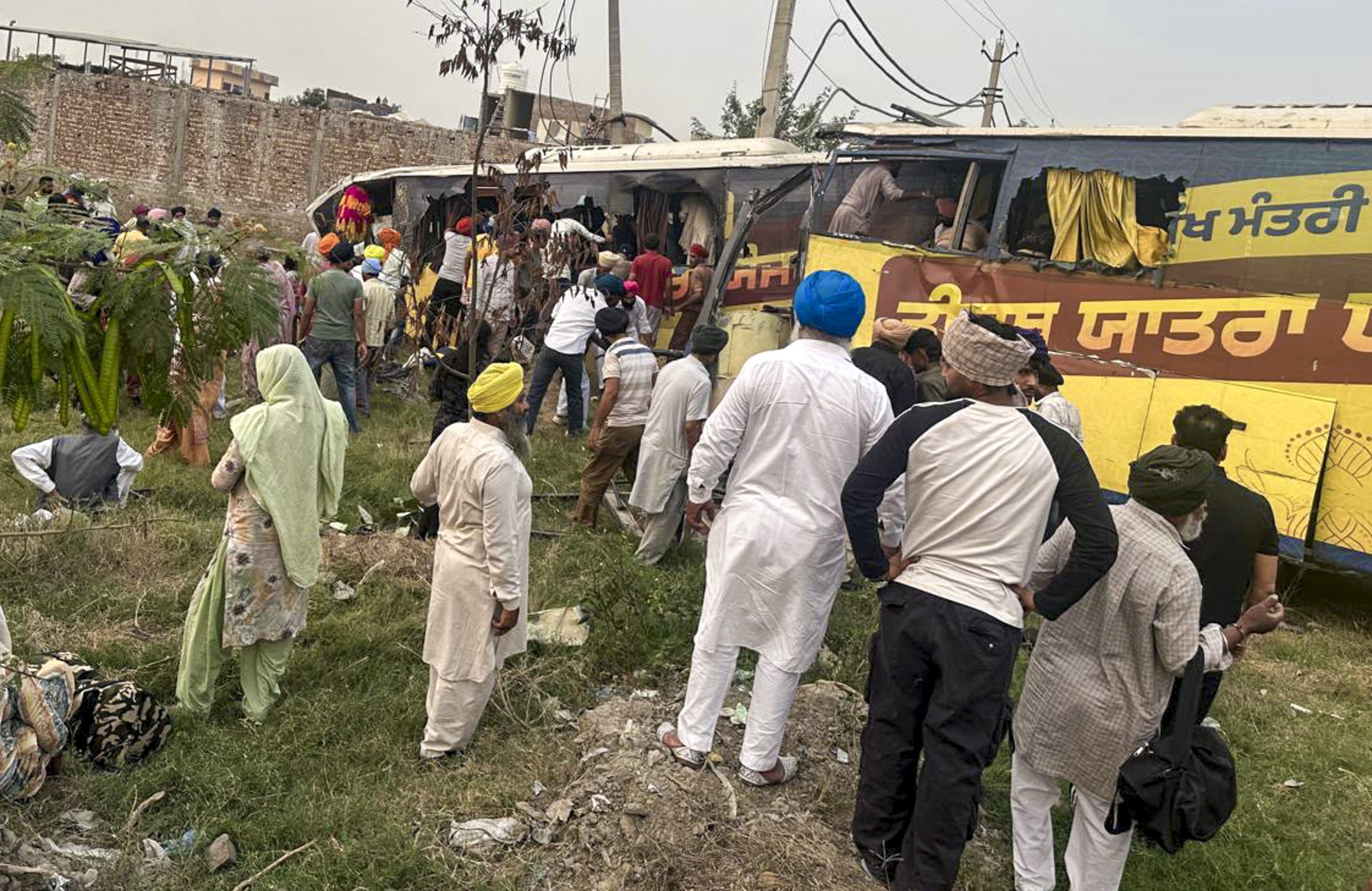
The National Human Rights Commission (NHRC), in a Bench presided over by Member Priyank Kanoongo, has issued conditional summons to the Punjab Chief Secretary over alleged serious safety violations in buses operating under the Mukhyamantri Tirth Yatra Yojana.
The action comes in the wake of the collision between two buses under the same scheme in Tarn Taran on Saturday, resulting in four reported deaths and injuries to around 30 people.
The Commission has been pursuing passenger bus safety concerns across all states in India for over a year. In its earlier proceedings, the NHRC had flagged recurring fatal accidents involving passenger and sleeper buses, structural deficiencies and violations of CIRT guidelines, and had called for urgent preventive measures.
A subsequent complaint by the Network for Access to Justice & Multidisciplinary Outreach Foundation highlighted serious safety concerns in buses deployed under Punjab’s Mukhyamantri Tirth Yatra Yojana, including alleged unauthorised structural modifications, obstruction of emergency exits, and deficiencies in fire safety and emergency evacuation arrangements.
The NHRC directed the Punjab Government to inspect all buses operating under the scheme and immediately withdraw vehicles that did not meet mandatory safety standards. However, the state government failed to demonstrate effective action on these directions.
Taking serious note of the continued non-compliance and the reported tragedy, the Commission deplored the lackadaisical approach of the authorities and issued conditional summons to the Chief Secretary, Punjab, directing him to appear before the Commission.
The Chief Secretary has been directed to submit details of bus inspections, safety compliance, corrective measures, action against non-compliant vehicles and a detailed report on the Tarn Taran accident.
Failure to submit comprehensive reports by the stipulated deadline will require the Chief Secretary to appear before the Commission.
The Commission has reiterated that passenger safety, particularly that of senior citizens and other vulnerable persons, is the direct responsibility of the state and regulatory authorities.